
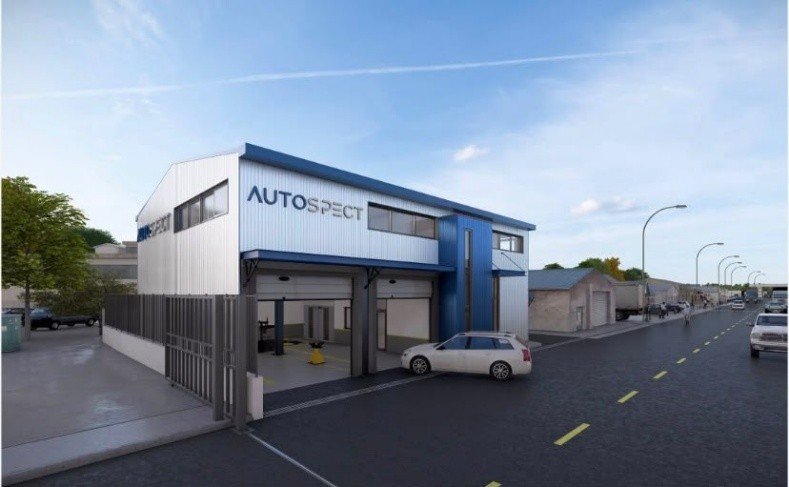
SLRSA Mandates Rigorous Vehicle Inspections
By Mackie M. Jalloh
The bustling ports and entryways of Sierra Leone are witnessing a profound shift in how transportation standards are governed. In a decisive move aimed at safeguarding lives and reshaping the nation’s transit landscape, the Sierra Leone Road Safety Authority (SLRSA) has officially rolled out a comprehensive, mandatory vehicle inspection regime. This sweeping policy targets every single vehicle entering the country, signaling an uncompromising stance against substandard machinery and a dedicated commitment to national public safety.
For years, the discourse surrounding road safety has been heavily punctuated by concerns over traffic crashes, mechanical failures, and the influx of aging or poorly maintained automobiles onto local highways. Recognizing that proactive prevention is vastly superior to reactive mourning, transport authorities have recalibrated their approach. The core philosophy of this new initiative is simple yet revolutionary: safety begins before a vehicle ever touches the pavement of Sierra Leone’s roads. Under the updated framework, no vehicle is granted safe passage into the national registry without first proving its absolute roadworthiness.
The mechanics of this new directive are rigorous and clear-cut. When automobiles arrive at entry points, they must undergo stringent technical evaluations. Any vehicle that falls short of the required safety and roadworthiness benchmarks faces immediate administrative hurdles. Most notably, failing units will be completely denied a Temporary Vehicle Registration (TVR). Furthermore, these non-compliant vehicles are effectively locked out of the official database, barred from formal system registration until every safety deficiency is fully rectified and verified by authorized inspectors.
This policy pivot fundamentally redefines the relationship between vehicle importers, owners, and the state. Rather than treating vehicle registration as a mere administrative formality or a rubber-stamp exercise, the SLRSA has transformed the intake process into a vital gatekeeping mechanism. It ensures that economic development and modernization do not come at the expense of human lives. Safe roads require safe cars, and the authority’s proactive stance ensures that substandard vehicles are intercepted long before they can pose a hazard to unsuspecting drivers, pedestrians, and passengers.
Beyond the immediate administrative protocols, the broader context of this policy speaks to a larger national aspiration. Safer highways translate directly into reduced economic losses, fewer burdens on emergency medical services, and an overall enhancement of public confidence in the transport sector. When families travel across regions for commerce, education, or leisure, they do so with a greater sense of security, knowing that regulatory bodies are actively filtering out mechanical hazards.
Ultimately, the SLRSA’s mandatory inspection mandate is much more than a bureaucratic regulation it is a cultural turning point for Sierra Leone’s roadways. By drawing a firm line against non-compliant vehicles, the nation is laying down a robust foundation for a modern, disciplined, and secure transit network. As these measures take deep root across the country, the collective vision of accident-free corridors and responsible motoring moves closer to becoming a tangible reality for every citizen.