
By Mackie M. Jalloh
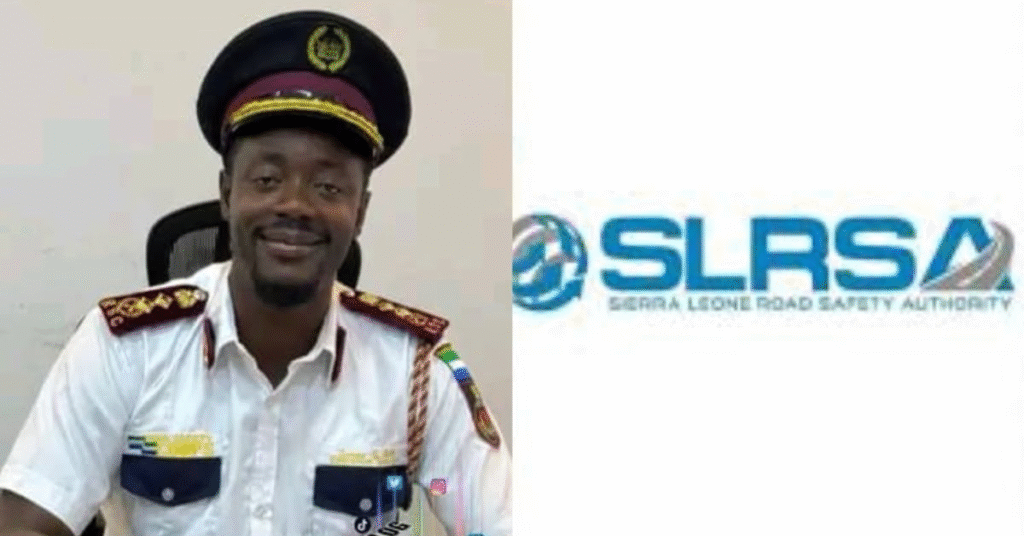
The integrity of Sierra Leone’s driver’s licensing system has come under fresh scrutiny following revelations by the Executive Director of the Sierra Leone Road Safety Authority (SLRSA), James Baggie Bio, about an alleged organised network involved in producing and circulating counterfeit driver’s licences.
Speaking on the Good Morning Salone programme, Bio disclosed details of what he described as a coordinated operation that reportedly began at an internet café before expanding beyond Sierra Leone, with alleged links to China, where suspects reportedly obtained specialised software used in producing fraudulent driver’s licences.
The revelation has raised serious concerns about the growing sophistication of document-related fraud and the potential risks such activities pose to road safety, law enforcement and the credibility of the country’s vehicle and driver licensing system.
According to the Executive Director, investigations into the alleged operation uncovered a network whose activities went beyond the production of ordinary fake documents. He explained that specialised software was reportedly used to facilitate the production of counterfeit licences, suggesting a level of organisation and technical preparation behind the operation.
The alleged involvement of individuals outside Sierra Leone, particularly in obtaining the software from China, has also brought an international dimension to the investigation.
Although the full operational structure of the alleged network has not been publicly detailed, Bio’s disclosure points to the challenges facing regulatory institutions in protecting official documents against increasingly sophisticated forms of fraud.
Providing further clarification, the SLRSA Executive Director confirmed that individuals arrested in connection with the alleged fake driver’s licence operation have been charged to court to answer to the allegations.
However, he firmly rejected suggestions that those arrested were employees or staff members of the Sierra Leone Road Safety Authority.
The clarification comes amid growing public interest in the scandal, particularly concerns about whether individuals within the institution may have been involved in facilitating the alleged activities.
Bio’s statement sought to distinguish the suspects from the Authority’s workforce, while the allegations against those charged remain subject to determination through the judicial process.
The development places renewed attention on the need for stronger safeguards within the driver’s licensing system, particularly as fraudulent documents can compromise the verification procedures used by traffic authorities and other law enforcement agencies.
A driver’s licence is more than an official identification document. It represents confirmation that an individual has satisfied the necessary requirements and is legally authorised to operate a motor vehicle.
The circulation of counterfeit licences therefore presents a serious public safety concern, particularly where individuals who may not have undergone the required driving tests or assessments obtain documents purporting to authorise them to drive.
Such practices, if established, could weaken the country’s efforts to ensure that only qualified and properly licensed motorists use public roads.
Beyond road safety, fraudulent licensing activities also threaten public confidence in the institutions responsible for regulating drivers, enforcing traffic standards and promoting responsible road use.
For a country continuing to strengthen its road safety framework, protecting the credibility of official driver’s licences remains an important part of reducing road traffic risks.
The latest revelations also highlight the importance of strengthening digital verification systems, improving document security and ensuring that official licences can be authenticated through recognised institutional channels.
As investigations and court proceedings continue, the SLRSA has encouraged members of the public to remain vigilant and avoid individuals or groups offering unofficial shortcuts to obtain driver’s licences.
Bio provided a dedicated contact number, 080879753, for members of the public wishing to lodge complaints, report suspected fraudulent licensing activities or provide relevant information to the Authority.
Motorists and prospective drivers are encouraged to obtain their licences through officially recognised procedures and avoid engaging intermediaries who promise to secure driving documents outside established requirements.
The Authority’s appeal also places responsibility on the public to help protect the licensing system by reporting suspicious activities rather than supporting individuals involved in the circulation of fraudulent documents.
The fake driver’s licence controversy presents an important test for the country’s road safety regulatory framework.
While the arrests and subsequent court charges represent developments in addressing the alleged operation, sustained efforts will be required to prevent similar activities from emerging in the future.
The SLRSA will need to maintain effective monitoring mechanisms, strengthen the security of official licensing documents and work closely with relevant law enforcement institutions to identify and address vulnerabilities within the system.
Equally important is ensuring that members of the public can independently verify the authenticity of their licences and understand the dangers associated with obtaining official documents through unofficial channels.
As the matter proceeds through the courts, attention will remain on the outcome of the proceedings and the measures taken by the Authority to prevent the production and circulation of counterfeit driver’s licences.
Ultimately, the fight against fake driver’s licences is not merely about protecting an institution’s reputation. It is about safeguarding the credibility of Sierra Leone’s licensing system, ensuring that drivers meet the required standards and protecting the lives of road users across the country.