
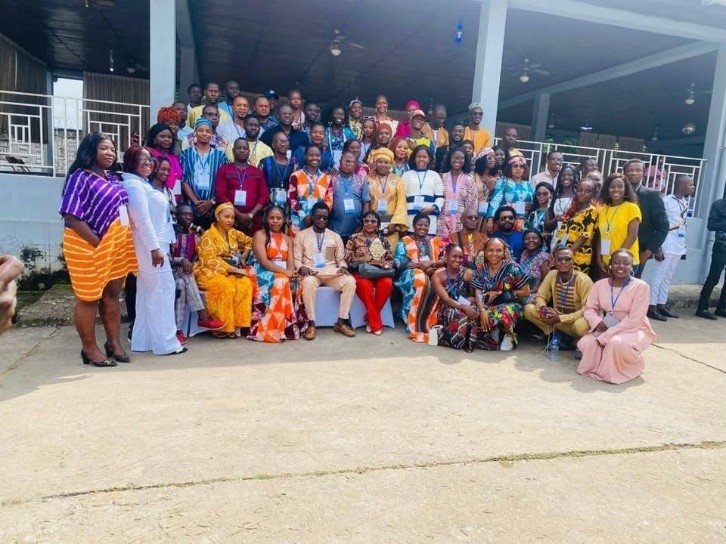
Makeni AGM Delivers New Constitution & Vibrant Activities
By Mackie M. Jalloh
The Sierra Leone Reporters Union (SLRU) opened a new chapter in its institutional history on Friday, November 22nd, and Saturday 23rd 2025, as members from across the country gathered in Makeni for a vibrant, reenergised, and activity-packed Annual General Meeting—one that departed sharply from tradition and redefined what professional gatherings within the media landscape can look like. The meeting, hosted at the Garden State venue, became not only a platform for key governance reforms but also a lively celebration of unity, professional growth, and community connection.
Although the adoption of a new constitution stood as the official highlight, the true dynamism of the AGM unfolded through its redesigned structure, fresh tone, and the unexpected blend of sportsmanship and camaraderie that accompanied the formal sessions. In a sector often weighed down by economic challenges, institutional fatigue, and threats to press freedom, the Makeni AGM offered a rare but powerful reminder that renewal is possible when journalists come together with purpose and collective resolve.
President Yeanor Esther Kabia, whose leadership has been closely associated with revitalising the Union, described the adoption of the new constitution as a major turning point—not simply a document revision, but a revival of identity, responsibility, and ambition within the organisation. She told members that the reforms are part of a larger transformation to give reporters a stronger institutional voice, more structured welfare platforms, and a clearer framework for accountability.
In earlier years, the SLRU had been characterised by dormancy, scattered engagement, and structural stagnation. For over two decades, no Annual General Meeting was held, resulting in a backlog of unresolved issues and outdated governance processes. The Makeni gathering therefore symbolised more than procedure; it represented a reclaiming of agency.
Complementing the President’s address, former Sierra Leone Association of Journalists (SLAJ) President and Managing Director of Awoko Newspaper, Kelvin Xander Lewis, delivered a keynote message that captured both the historical weight and future vision of the Union. Lewis urged reporters to recommit themselves to the ethics that dignify journalism: truth-telling, independence, fairness, and courage. He reminded delegates that reforms are effective only when matched with personal integrity and collective responsibility.
However, what made this AGM truly unique was the decision by organisers to incorporate a full “Sports Day” into the programme—a bold experiment that paid off. The sports segment injected energy, laughter, and healthy competition into a profession often overshadowed by the emotional heaviness of daily reporting. To the surprise of many, reporters who spend most of their time behind notebooks, microphones, and laptops found themselves sprinting like seasoned athletes, dribbling footballs with the confidence of trained strikers, and cheering one another in a way rarely seen in professional spaces.
For some members, the football match was the highlight of the weekend. Reporters representing different regional blocs faced off in a friendly but spirited tournament, transforming journalists into unexpected footballers for a day. Others excelled in track events, proving that the newsroom and the sports field share at least one common thread—determination. The sports activities helped bridge gaps between reporters who had never met in person, strengthened interpersonal bonds, and fostered a renewed sense of collective identity. Many described the experience as a reminder that journalists, too, deserve moments of joy, relief, and human connection.
This creative infusion of physical activities into a professional AGM signaled a shift in how the SLRU intends to operate going forward: more inclusive, more engaging, more concerned with the wellbeing of its members—not just their work output.
Beyond the fun and athletic performances, discussions during the AGM reaffirmed the need for a protected space where reporters can voice challenges, brainstorm solutions, and advocate for improved safety, fair compensation, mental-health support, and professional development. Delegates unanimously agreed that the new constitution should be paired with strategic action plans to ensure that reforms do not remain theoretical.
By closing the AGM, members left Makeni with a renewed sense of ownership and optimism. The AGM successfully blended governance, professional ethics, and communal celebration into a single event that felt both historic and hopeful.
The Makeni gathering did more than adopt a constitution—it revived a Union long considered dormant and reaffirmed that the future of journalism in Sierra Leone can be shaped by unity, creativity, and collective determination.