
By Marion Rion Bangura
The Government of Sierra Leone has expressed growing confidence that the cost of rice across the country will continue to decline as the implementation of its flagship Feed Salone initiative gathers momentum. Officials say ongoing investments in domestic agricultural production, mechanized farming, and improved post harvest management are beginning to yield positive results, with some communities already experiencing noticeable reductions in the prices of locally produced rice.
Speaking during an interview on Truth Media, Presidential Spokesman Yusuf Keketoma Sandi Kanu said the government’s long-term strategy is centered on transforming agriculture into a productive sector capable of meeting the country’s food demands while reducing dependence on imported rice. He noted that the initiative is designed not only to boost food production but also to cushion ordinary Sierra Leoneans from the burden of rising food costs.
According to Kanu, increasing local rice cultivation remains one of the government’s highest priorities under the Feed Salone programme. He explained that by supporting farmers with modern agricultural technologies, expanding access to mechanized farming, and strengthening the entire agricultural value chain, the government expects food supplies to increase significantly over the coming seasons.
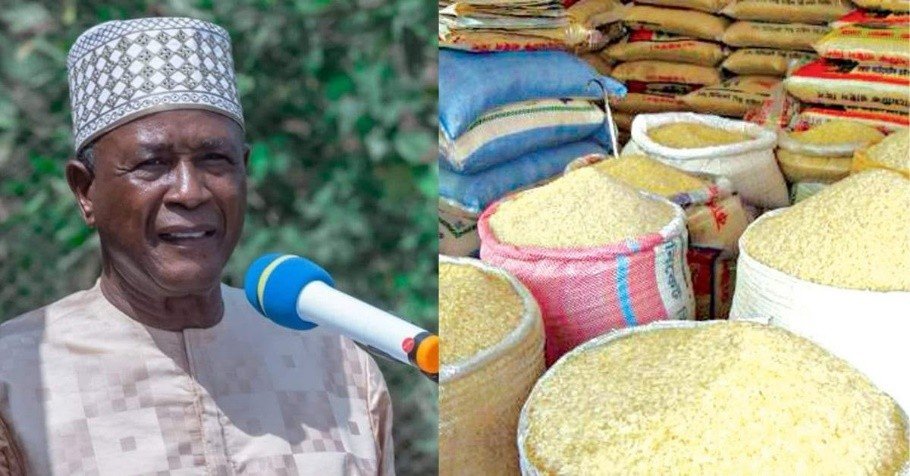
He stated that early indicators from some farming communities suggest that the strategy is beginning to produce encouraging outcomes. Citing developments in Port Loko District, Kanu said residents have reportedly witnessed a significant reduction in the retail price of a cup of rice, which has fallen from Le10 to about Le4. He described the development as an encouraging example of how increased local production can directly benefit consumers by making one of the country’s staple foods more affordable.
The reported decline is particularly noteworthy because it has occurred during the annual lean season, a period that traditionally stretches from June through September. During these months, food stocks from previous harvests are often depleted while new crops are yet to be harvested, leading to reduced market supplies and upward pressure on food prices. Despite these seasonal challenges, Kanu said the reported price reduction demonstrates the potential impact of sustained agricultural investments.
He emphasized that the Feed Salone programme is designed to address structural challenges that have long affected Sierra Leone’s agricultural sector. Among its key objectives are expanding the acreage under cultivation, increasing crop yields through improved farming practices, providing farmers with modern equipment, and reducing post-harvest losses that often prevent producers from maximizing their earnings.
According to the Presidential Spokesman, significant quantities of food are lost every year because of inadequate storage facilities, poor transportation systems, and limited processing capacity. He argued that addressing these bottlenecks would enable farmers to preserve more of their harvests, increase market supply, and ultimately contribute to lower food prices nationwide.
“The goal is to increase production and ensure more affordable food for Sierra Leoneans,” Kanu stated, stressing that strengthening domestic agriculture remains essential to achieving lasting food security and economic resilience.
He further explained that reducing dependence on imported rice is one of the government’s strategic objectives. Sierra Leone has historically spent substantial amounts of foreign exchange importing rice to meet domestic demand. By increasing local production, the country could not only stabilize food prices but also reduce pressure on foreign currency reserves and strengthen the national economy.
Kanu also addressed recent reports suggesting that food insecurity in Sierra Leone has declined from 28 percent to 13 percent. While describing such reports as encouraging, he cautioned against accepting the figures without comprehensive verification. He stressed the importance of relying on credible assessments and evidence-based data before drawing definitive conclusions about the country’s overall food security situation.
According to him, accurately measuring food security requires detailed analysis of multiple indicators, including food availability, household access to nutritious meals, purchasing power, and nutritional outcomes across different regions of the country. He maintained that careful monitoring and independent evaluation remain essential for assessing the true impact of government interventions.
The Feed Salone initiative continues to occupy a central place in the government’s national development agenda. The programme seeks to revitalize agriculture by supporting farmers with improved seeds, fertilizers, irrigation systems, mechanized equipment, technical training, and access to markets. Authorities believe these interventions will help increase productivity, create employment opportunities, stimulate rural economic growth, and strengthen national food self-sufficiency.
Government officials have consistently maintained that investing in agriculture represents one of the most sustainable pathways toward reducing poverty and improving livelihoods, particularly in rural communities where farming remains the primary source of income. Increased agricultural production is also expected to strengthen food supply chains, improve market stability, and enhance the affordability of essential food commodities.
As implementation of the Feed Salone programme continues across the country, the government remains optimistic that expanding local food production will gradually translate into lower prices for consumers, greater income opportunities for farmers, and stronger national food security. Officials say sustained investment, effective implementation, and collaboration with farming communities will be critical to ensuring that the programme delivers lasting benefits for Sierra Leone’s agricultural sector and the wider economy.