
By Mackie M. Jalloh
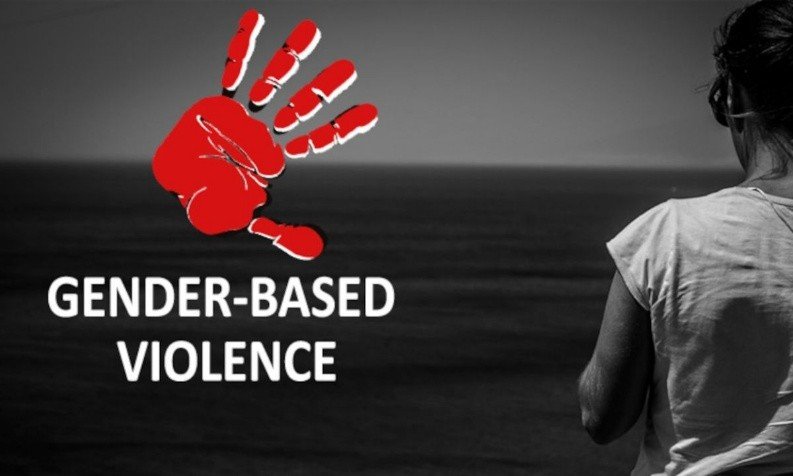
Behind every statistical entry in national gender-based violence (GBV) reports lies a profound human tragedy a shattered life, an interrupted education, or a stolen childhood. In Sierra Leone, despite the enactment of robust legislative frameworks such as the Anti-Domestic Violence Act and the milestone declarations of a National Emergency on Rape, Sexual and Gender-Based Violence remains a pervasive public health crisis and a severe threat to human capital development.
Data released by frontline protection organizations such as the Rainbo Initiative highlights the gravity of the emergency. In recent annual impact assessments, thousands of abuse cases continue to be documented across operational districts, with an overwhelming majority of survivors being women and girls. This investigative feature examines the structural roots of SGBV, evaluates the efficiency of current response frameworks, and outlines the critical shifts required to move from legislative pronouncements to total eradication.
Unpacking the Data: Trends and Realities on the Ground
A dispassionate look at empirical data reveals that SGBV is not abating; it is evolving in complexity. According to recent multi-sectoral data from the Ministry of Social Welfare and civil society monitoring groups, sexual assault constitutes the lion’s share of reported incidents, followed by physical battery, psychological intimidation, and economic deprivation.
Public health experts and gender advocates emphasize that these figures represent only the tip of the iceberg. Fear of stigmatization, cultural pressures to settle disputes out of court (famously known as “family compromises”), and logistical barriers in remote communities mean that thousands of cases go unreported.
“The data we publish every year is a stark reminder that physical and sexual violence against women is deeply embedded in unequal power dynamics. When a 14-year-old or an infant becomes a statistic, it signals a systemic failure that requires an aggressive, multi-sectoral counter-offensive.”
Fatmata Sorie, Gender Rights Activist and Legal Advocate, Freetown
Institutional Bottlenecks: From Reporting to Justice
While Sierra Leone boasts progressive laws including the Customary Marriage and Divorce Act and specialized Model Courts (such as the Fast Track Gender-Based Violence Court) survivors frequently encounter steep institutional hurdles when seeking justice.
1. Access to Forensic and Medical Care: In many provincial headquarters, centralized One-Stop Centers (such as Rainbo Centres) provide vital free medical, legal, and psychosocial support. However, rural victims often face prohibitive travel distances and high transportation costs to reach these facilities, leading to delays that compromise forensic evidence collection.
2. The Curse of “Family Compromises”: In rural chiefdoms, traditional authorities and family elders frequently pressure victims and their families to resolve sexual violence cases through monetary settlements or customary fines. This practice not only subverts the rule of law but emboldens perpetrators, ensuring a continuous cycle of impunity.
3. Police and Judicial Delays: While the establishment of specialized police family support units (FSU) has improved initial reporting, case backlogs in the judiciary and missing case files often frustrate victims, causing them to abandon legal proceedings halfway.
The Economic and Developmental Toll
Gender-based violence is frequently viewed purely through a humanitarian or criminal lens, but economists and development planners point out that it is also a macro-critical economic impediment.
According to policy papers from financial and developmental institutions focusing on Sierra Leone’s Medium-Term National Development Plan, gender equality and safety are core enablers of economic output. When women and girls are subjected to violence, trauma, and forced early pregnancies:
Human Capital is Degraded: Survivors often drop out of school, truncating their education and reducing future workforce productivity.
Healthcare Systems are Overburdened: Public hospitals must divert scarce financial resources to treat trauma, injuries, and complications resulting from targeted violence.
Intergenerational Trauma Persists: Children who grow up witnessing domestic or sexual violence are statistically more likely to perpetuate or experience abuse later in life, locking families into perpetual cycles of poverty and instability.
Shifting the Paradigm: Male Engagement and Community Transformation
For years, anti-GBV campaigns targeted women and girls exclusively essentially teaching potential victims how to avoid harm rather than teaching perpetrators to stop offending. Recognizing this flaw, the government, with support from agencies like UNFPA, launched the National Male Involvement Strategy for the Prevention of Sexual and Gender-Based Violence.
This strategy seeks to co-opt men and boys as active champions of gender equality. Grassroots initiatives across districts like Kenema, Bo, and Bombali are training traditional chiefs, religious leaders, and youth groups to dismantle toxic masculinities.
“You cannot stop violence against women by talking only to women. We must sit down with the young men in our ghettos, the bike riders, and the elders in our local courts. We must teach them that true strength lies in protection, respect, and equality, not domination.”
Chief Alimamy Turay, Community Leader, Northern Province
Policy Recommendations for Sustainable Impact
To secure a future where women and girls can live free from the shadow of violence, the state and its international partners must accelerate the following interventions:
De-centralization of Survivor Services: Expand fully equipped One-Stop Centers and psychosocial counseling units to every district headquarter town, ensuring no survivor has to travel more than an hour for emergency care.
Zero Tolerance for Compromises: Strictly enforce punitive legal measures against local authorities, family members, or traditional leaders who facilitate out-of-court financial settlements for rape and sexual assault cases.
Intensified Community Education: Embed comprehensive gender equality, consent education, and anti-GBV modules into both the formal school curriculum and non-formal community radio outreach programs.
Sustainable Domestic Financing: Move away from heavy reliance on short-term international donor funding by allocating dedicated line items in the national budget for long-term GBV prevention and institutional enforcement.
Conclusion: A Collective National Duty
Stopping SGBV in Sierra Leone requires more than annual campaigns and policy workshops; it demands a cultural revolution. It requires every citizen, law enforcement officer, traditional ruler, and journalist to treat violence against women not as a private domestic matter, but as an existential threat to the nation’s peace and development.
By matching strong political will with community-level accountability, robust legal enforcement, and unwavering empathy for survivors, Sierra Leone can rewrite its narrative transforming from a landscape of fear into a beacon of safety, justice, and true equality for all.