By Mackie M. Jalloh
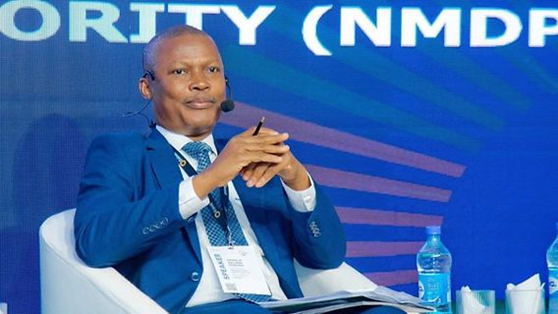
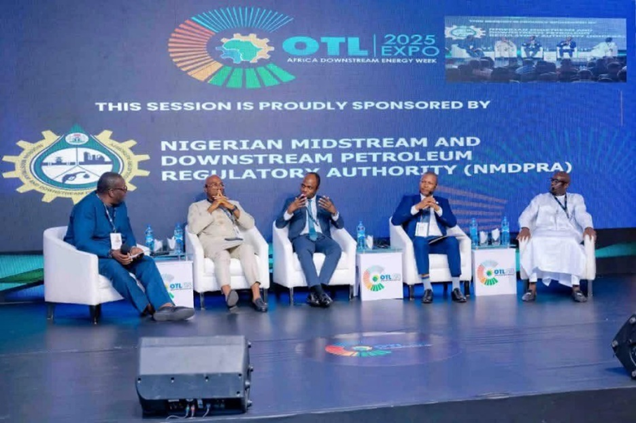
At a time when global energy markets are shifting and Africa continues to grapple with fuel dependency, the Director-General of Sierra Leone’s National Petroleum Regulatory Authority (NPRA), Baluwa Koroma, has made a compelling case for continental collaboration. Speaking as Guest Speaker at the 19th Africa Downstream Energy Week 2025 in Lagos, he called on African oil and gas stakeholders to transcend national borders and unite around a shared regulatory vision capable of unlocking the continent’s full energy potential.
Under the conference theme, “Africa Oil & Gas Market and Regional Regulatory Integration,” Koroma challenged policymakers, producers, and investors to confront a paradox that has persisted for decades — Africa’s heavy reliance on imported refined petroleum products despite its vast natural reserves. “It is unacceptable that a continent blessed with so much crude oil continues to import over 70 percent of its refined products,” he said. “This dependency drains our foreign reserves and traps our nations in cycles of vulnerability.”
He pointed out that in some ECOWAS member states, petroleum imports constitute more than 40 percent of national import bills — a burden that translates directly into inflation, higher transport costs, and widespread economic strain. For Koroma, this pattern is a symptom of systemic disunity rather than scarcity. He insisted that the answer lies not in isolated national reforms but in coordinated regional action.
“The fragmentation of our laws, standards, and tax systems weakens Africa’s collective leverage,” he remarked. “It discourages investment, encourages market manipulation, and leaves us open to exploitation. True integration is not about surrendering sovereignty; it is about expanding our capacity to protect and advance African interests.”
Koroma’s remarks underscored a growing consensus among experts that Africa’s energy future depends on its ability to think and act collectively. With over 1.3 billion people and a combined GDP of roughly USD 3.4 trillion, the African Union’s trade area presents an untapped opportunity for scale, efficiency, and resilience. Yet, Koroma warned, the benefits of such integration will remain theoretical unless regulators and governments demonstrate the political will to harmonize policies and infrastructure development.
He urged member states to align their downstream regulatory frameworks, establish shared quality standards, and coordinate taxation and licensing systems to minimize disparities that lead to fuel smuggling and unfair competition. “When our regulations conflict, we undermine our own progress,” he cautioned. “But when we move together, we create a stable and predictable market that attracts investors and protects consumers.”
Koroma also connected the discussion to Africa’s ongoing demographic transformation, describing it as both a challenge and a chance for leadership. Sub-Saharan Africa, he noted, is now home to the world’s fastest-growing and youngest population — a force that will demand more energy, jobs, and infrastructure in the coming decades. “We must respond with a strategy that benefits Africa — not one imported from elsewhere,” he stressed. “Our policies must be forward-looking, decisive, and unapologetically African.”
Beyond regulatory frameworks, Koroma emphasized the need for shared investment in cross-border pipelines, refineries, and storage facilities to eliminate logistical bottlenecks that inflate costs and cause supply disruptions. He said Africa’s future depends on “policy harmonization, infrastructure integration, and above all, political courage.”
Concluding his address, the NPRA boss cautioned that while global energy dynamics are changing rapidly, Africa’s success will hinge on flexibility and cooperation. “Regional integration is not a static goal,” he said. “It must evolve with our markets, respect our national contexts, and serve our collective destiny. Only through unity can we stabilize our markets, build resilience, and deliver affordable energy to our people.”
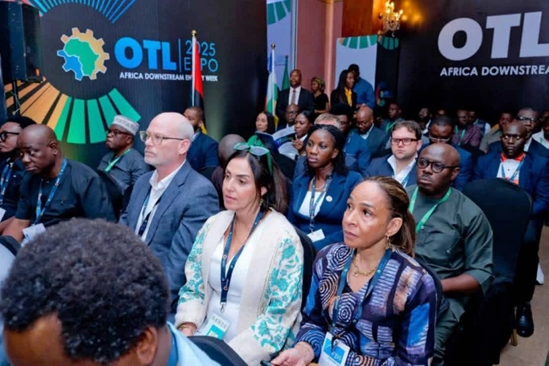
Koroma’s message resonated strongly among attendees, many of whom agreed that Africa’s fragmentation has long stood in the way of industrial self-reliance. His call for integration, therefore, was not just a policy recommendation — it was a reminder that Africa’s energy sovereignty can only be achieved through solidarity and shared vision.