
By Moses Kamara
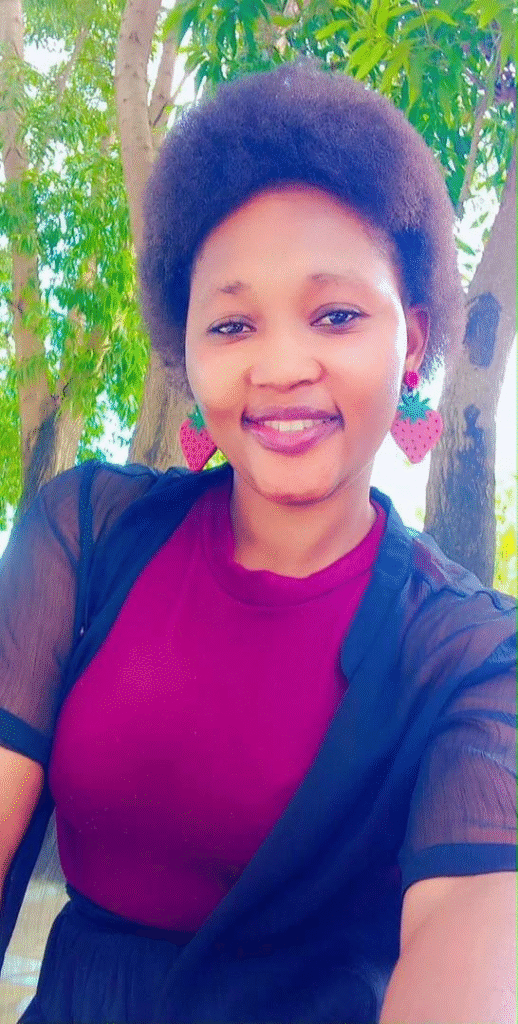
in early January 2026, a woman from Makaba Village in Maforki Chiefdom, Port Loko District, is reportedly on the run after allegedly facing threats linked to a traditional succession dispute involving the practice of Female Genital Mutilation (FGM).
The woman, identified as Warrah Alisha Kamara, is said to have been subjected to FGM as a child and later suffered serious physical and psychological consequences following the alleged procedure.
Accounts surrounding her case indicate that she experienced prolonged bleeding, physical weakness and other complications after the initiation. The experience is also said to have left her deeply traumatized, with memories of the alleged forced initiation continuing to affect her as she grew older.
The current dispute reportedly stems from a traditional leadership and succession arrangement within her family.
Kamara is understood to have been named after her late grandmother, who reportedly held the traditional title of “Ya-Warrah,” a position associated with leadership and decision-making in community affairs.
According to accounts linked to the dispute, members of the family believe that Kamara is expected to inherit certain traditional responsibilities associated with the late Ya-Warrah. One of those expectations allegedly involves becoming a Sowei, a traditional practitioner involved in the initiation process of girls into the Bondo Society.
However, the alleged expectation has reportedly created a serious conflict because of Kamara’s own experience as a child. Having allegedly undergone FGM against her will, she is said to be unwilling to participate in the cutting of other girls or assume a role connected to the practice.
The dispute reportedly intensified after her marriage, when a family meeting was allegedly convened to discuss her readiness to take on the responsibilities associated with the traditional succession.
According to accounts surrounding the matter, she rejected the expectation and expressed her unwillingness to become involved in the initiation process.
The situation allegedly escalated after she was reportedly warned of severe consequences if she refused to comply with the traditional expectations. Claims circulating around the case suggest that threats were made against her life.
She is now reportedly believed to be in hiding and remains on the run, with her current whereabouts unknown.
The case raises wider questions about the tension between traditional succession, cultural inheritance and individual rights, particularly where a person is allegedly expected to participate in a practice they claim to have experienced as traumatic.
It also highlights the continuing challenges faced by individuals who seek to reject traditional obligations imposed by families or communities, especially when such obligations are linked to deeply established cultural institutions.
As of now, the whereabouts of Warrah Alisha Kamara could not be independently confirmed. It was also not immediately clear whether a formal complaint had been lodged with the police or whether any official investigation had been opened into the alleged threats against her.
The case remains a developing matter, with the central question now being whether the alleged threats will prompt formal intervention by law enforcement and other relevant authorities to establish the facts and ensure the safety of the woman reportedly still on the run.