By Mackie M. Jalloh
Across Freetown, anger is no longer simmering—it is boiling. From Calaba Town to Goderich, from Wellington to Wilberforce, Jui and Waterloo, motorbike riders, keke operators, and private bike owners are united by a single grievance: Shalimar Trading Company’s iron grip on TVS motorbikes and spare parts has turned survival into a daily struggle. What should be a competitive transport supply market has, in practice, become a chokehold—one that riders say is deliberately tightening around their livelihoods.
This investigation exposes a pattern that riders describe not as business efficiency, but as exploitation enabled by regulatory neglect. Shalimar Trading Company’s exclusive control over TVS motorbikes and “genuine” spare parts has created a de facto monopoly with devastating consequences. Prices are no longer determined by supply and demand; they are dictated. Alternatives are scarce to nonexistent. And when riders complain, there is no authority willing—or able—to intervene.
In the eastern corridors of Freetown, keke operators speak with open bitterness. At Calaba Town, Wellington, and the surrounding communities, spare parts that once cost modest sums now sell for double or triple their previous prices. “If your keke breaks down today, your heart sinks,” said Abu Kamara, a Wellington-based rider. “One small fault can wipe out a whole week’s earnings. We are repairing to survive, not earning to live.”
Along Kissy Road and Upgun, commercial bike riders echo the same frustration. Ibrahim Sesay, who has ridden commercially for years, said owning a TVS bike has become a debt trap. “Shalimar controls the bikes, controls the parts, controls who supplies the shops. You cannot plan anymore. Even if you save, the price jumps without warning. You are forced to borrow, and borrowing keeps you poor.”
In central Freetown, private bike owners—many of them salaried workers—say the monopoly has turned routine maintenance into a financial punishment. “You enter a spare-parts shop knowing you have no choice,” one civil servant said. “It’s TVS or nothing. The prices are fixed somewhere far above us, and everybody below pays.”
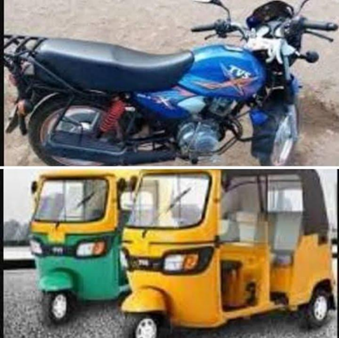
Dealers themselves quietly confirm what riders already know. Several spare-parts sellers, speaking anonymously, admitted they are bound to Shalimar-linked supply chains. “We don’t decide prices,” one dealer said bluntly. “We just add a small margin to survive. The real cost comes from above.” In effect, Shalimar sets the tone, and the entire market follows.
The consequences go far beyond individual hardship. Motorbikes and kekes are not luxuries in Sierra Leone; they are essential transport infrastructure. When spare parts become unaffordable, bikes are grounded. When bikes are grounded, transport fares rise, goods become more expensive, and access to jobs, schools, and healthcare shrinks—especially for the urban poor. A single company’s pricing power is now rippling through the entire informal economy.
In western Freetown—Goderich, Lumley, and nearby communities—some riders say the situation has already pushed them out of business. “I parked my bike for months,” said Mohamed Conteh of Lumley. “I couldn’t afford the parts. If you borrow to fix it, you spend years paying back. Sometimes you ask yourself whether riding is even worth it anymore.”
What makes the situation more infuriating is the deafening silence from regulators. There has been no visible intervention from competition authorities, no price monitoring, no consumer protection response. Transport unions grumble behind closed doors but admit they are powerless against a company with entrenched commercial dominance. The message riders receive is clear: they are on their own.
Economists warn that this is not just a transport issue but a classic case of market abuse. “When one firm controls supply without oversight, the poorest operators absorb the cost,” said a local analyst. “That deepens inequality and fuels urban poverty. This is market failure in plain sight.”
Shalimar Trading Company has offered no public explanation. Repeated attempts to obtain comment on pricing, profit margins, and distributorship practices were unsuccessful by press time. That silence, riders say, speaks volumes.
The riders’ demands are neither radical nor unreasonable: open the market, allow competing importers, regulate prices, and end the stranglehold. Until then, Shalimar’s monopoly will continue to drain the lifeblood of Sierra Leone’s transport sector.
For now, thousands of riders remain trapped—working longer hours, earning less, and sinking deeper into debt—while one company’s unchecked power determines whether they eat, pay rent, or keep their bikes on the road. In the court of public opinion, frustration has already delivered a verdict: this is no longer business as usual; it is economic suffocation.